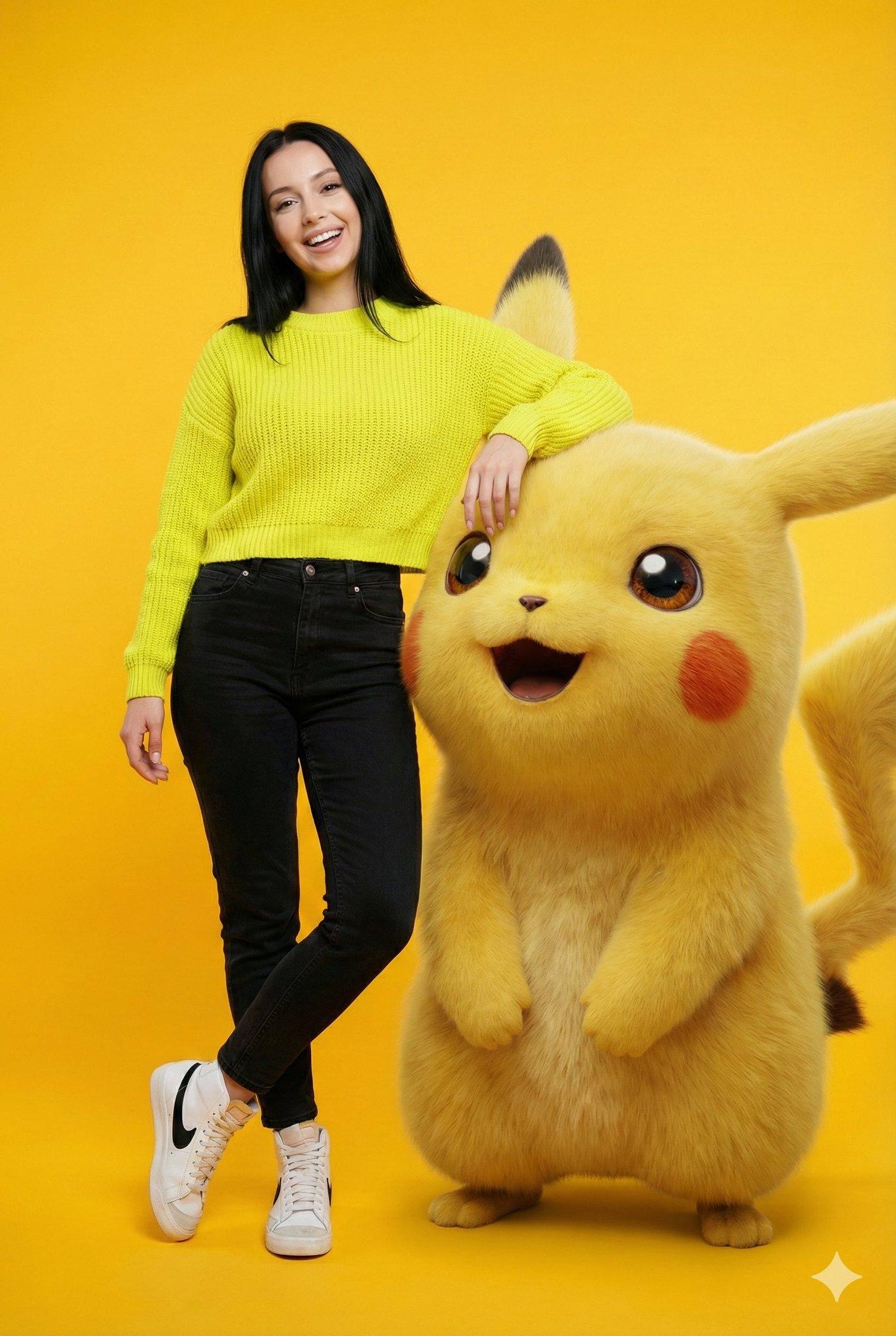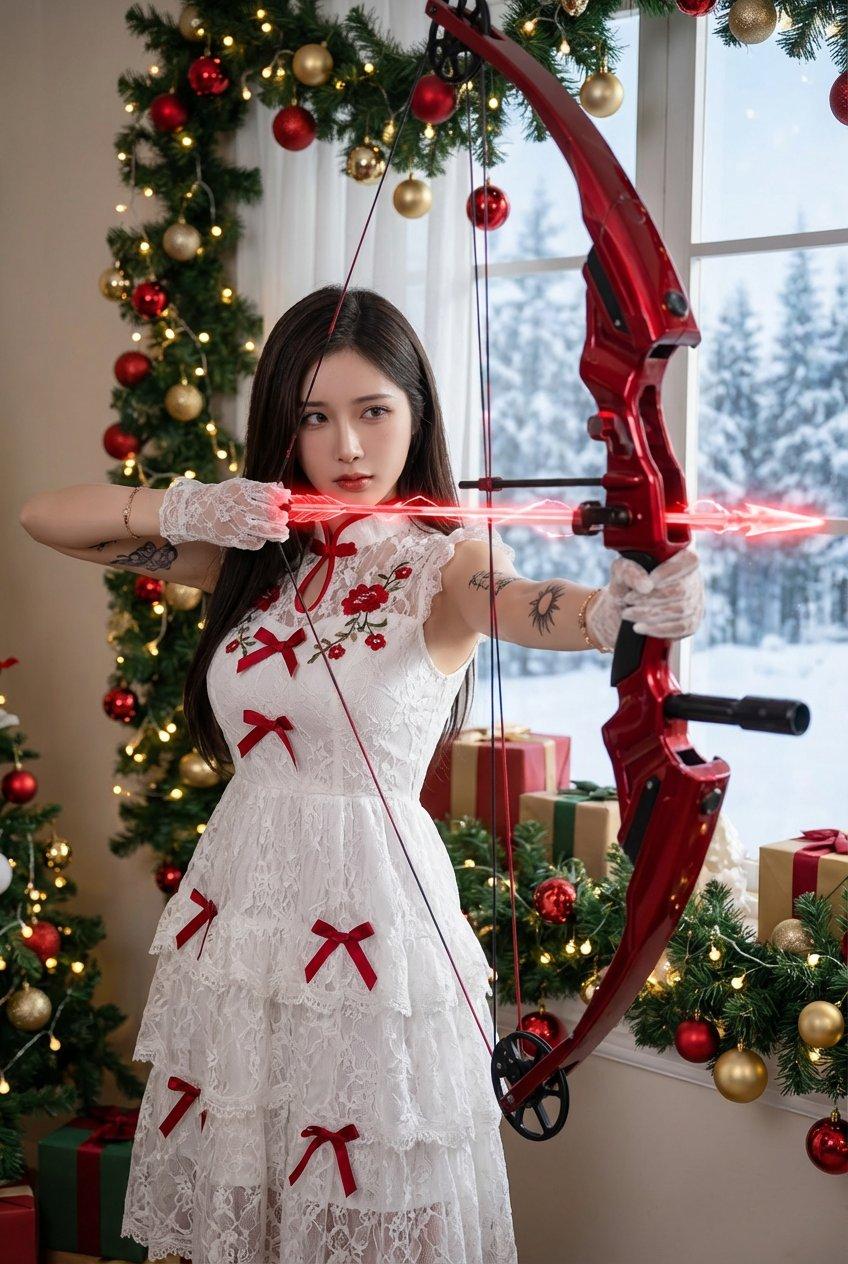
Nano Banana Prompt ReceiptSource @underwoodxie96
View Source PostExtreme wide-angle remix edit
@underwoodxie96 followed up with a Remix Edit brief that proves Nano Banana Pro can stay faithful to a single photo while wildly shifting perspective. The system locks identity, wardrobe, and the same street or room, then demands ultra-wide 12–18mm shots with limbs or props pressed against the lens so every variation feels like a bold fashion cover pulled from the same location.

Prompt
Remix Edit: Extreme Wide-Angle Perspective & Dynamic Poses
This is an edit based on the original image, not a brand-new character.

Please use the original image as a strict reference for:

The character's identity, hairstyle, and overall clothing style.

The general type of background and scene (the same street, the same room, the same beach, the same architectural environment, etc.).

You can completely change the camera position, angle, and pose, but you must maintain:

The scene remains in the same location.

The character and clothing design remain consistent.

Camera & Perspective:
Use an ultra-wide-angle or fisheye-like lens (giving the feel of a 12–18mm full-frame equivalent).

The camera angle must be significantly different from the original. Exaggerated camera positions to use include:
An upward-looking, low-angle shot from directly below.
A downward-looking, high-angle shot from directly above.
An ultra-low angle, close to the ground.
A high-angle shot from above.
A tilted "Dutch angle" composition.

Always create a strong foreshortening effect: the body part closest to the lens appears enormous, while the rest of the body extends into the distance in perspective.

The final result must look like a bold fashion or street-style photograph, completely photorealistic, not an illustration or anime style.

Background Consistency:

Maintain the same location as the original image: the same street, the same bridge, the same room, the same photo studio, the same beach, with similar or identical structures and materials.

Do not replace the background with a completely different scene.

Due to the change in camera angle, different areas of the environment are allowed and expected to appear.

When new areas appear, they must logically and naturally extend the original environment (same architecture, fences, road markings, walls, colors, materials, lighting style, etc.), as if the camera were moved within the same location.

Body Parts Close to the Lens (1–2, sometimes 3):
In each edited image, select one or two primary body parts to be extremely close to the lens (in more complex poses, it can sometimes be three).

Vary these parts between different images; don't always have the same part close to the lens.

Body parts that can be brought close to the lens include:
One or both hands/fingers extending toward the lens.
One or both feet/shoes/boots close to the lens.
Knees or thighs.
The face, very close to the lens.
Shoulders or chest in a leaning-forward pose.

The selected body parts should be extremely close to the lens, almost touching it, with clearly visible skin texture, fabric texture, and realistic wide-angle distortion.

Pose & Overall Body (Complex & Varied):
Create strong, cool, and dynamic poses that match the extreme perspective.

Randomly use different types of poses, including:
Standing poses with one leg or hand extended towards the lens.
Squatting or a low semi-squat.
Sitting on the ground or on an object.
Lying flat on the ground with legs or feet towards the lens.
The body leaning significantly forward towards the lens.
Twisting the torso, crossing legs, or arching the back to create more dynamic body lines.

Complex poses are allowed, for example:
Both hands close to the lens, making gestures (a peace sign, a triangle, framing with fingers, pointing at the viewer, etc.).
Both feet pointing towards the lens.
One hand and one foot simultaneously acting as large foreground elements.
The face close to the lens, while a hand or foot also appears in the perspective.

Maintain a plausible and believable human anatomy, even with extreme foreshortening.

Camera Position & Attitude (Randomized):

Randomly change the camera angle and direction (upward, downward, sideways, tilted composition) while keeping the composition visually balanced and impactful.

The attitude should remain cool, composed, and confident, leaning towards a high-fashion or street-style vibe, depending on the original outfit's feel.

Facial expressions can vary (serious, playful, confident, mysterious, etc.), but it must always look like the same person.

Lighting & Rendering:

Maintain a similar time of day and lighting atmosphere as the original image (day/night, indoor/outdoor, soft/hard light), but you can enhance contrast and color to make the image more impactful and dramatic.
Maintain realistic shadows and contact with the ground/floor.

High resolution and sharp details, showing skin texture, fabric texture, and material highlights.

Variation & Randomness:

Each edit should be distinctly different from the original and other edited versions. Maintain diversity in the following aspects:
Camera angle.
Pose type.
Which body parts are closest to the lens.
Compositional orientation (straight, tilted, top-down, bottom-up, etc.).

Avoid repeatedly using the exact same "one foot close to the lens" composition; aim for a rich variety of dynamic poses and camera position changes.

Strict Rules:

Do not change the person into someone else.

Do not change the type of clothing; only alter its appearance through posing, perspective, and the natural movement of the fabric.

Do not move the scene to a completely different location; always stay within a reasonable extension of the original place.

Do not add text, logos, watermarks, or graphic design elements.

Do not change the style to an oil painting, illustration, or anime; a photorealistic effect must be maintained.

Overall Goal:

Transform the original photograph into a dramatic, photorealistic, ultra-wide-angle shot. The camera position is extreme (including from directly below or above), with one or more body parts pressed against the lens, appearing enormous, while the rest of the body recedes into the distance. The same character appears in a complex, powerful, and fashionable pose within a scene that is consistent with and a natural extension of the original environment.
Recommended settings
- Gemini 3 Pro • ultra-wide remix edit
- Nano Banana continuity lock
- 12–18mm lens distortion emphasis
Execution notes
- Anchor on the original photo for identity, wardrobe, and environment while only moving the camera.
- Alternate low/high/Dutch angles so each variation shows different foreground limbs against the same scene.
- Keep photoreal lighting and textures to sell the extreme perspective without breaking continuity.